 PipPeek
A CALM FIRST PUZZLE
Odd one out games for kids by PipPeek
A child does not need to read a long rulebook to start. Show them one grid, point to the pictures and ask what looks the same. Somewhere in the grid, one detail is different.
PipPeek starts with 3×3 puzzles, uses friendly illustrated characters and keeps the timer optional. It is a visual observation game, not a spelling test, maths quiz or race.
- 3×3 starter
- No timer needed
- No sign-up
Opens the animal chapter directly. Free to play, no sign-up needed.
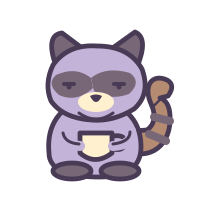
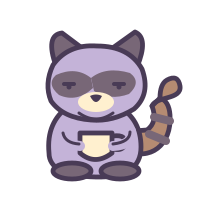
Show the difference
One raccoon has a tail tip curving the other way.
Why odd one out games for kids can start at 3×3
The rule is visible: one picture is different. There are no words to unscramble, sums to solve or categories to remember. A wrong tap does not end the game, so a child can keep looking and try another picture.
The first grids are small enough to compare without zooming. As the child grows more confident, the same chapter unlocks 4×4, 5×5 and larger grids. You can replay an unlocked size whenever you like. Toddlers and preschoolers may need a grown-up to point at one feature; kindergarten and early-primary children can often try a 3×3 with a little encouragement.
How to play odd one out games for kids together
Let the child lead the search. A few prompts are enough; you do not need to turn it into a lesson.
- Start with a 3×3 grid and ask, “What is the same about these pictures?”
- Compare one feature at a time: ears, tails, paws or the outer edge.
- Let them point to the answer and explain what changed in their own words.
- Use the hint only when they are stuck; it fades half the matching pictures.
- Keep the first sessions short. A few puzzles are enough for a brain break.
Odd one out games for kids at home or in class
PipPeek runs in a browser on a phone, tablet or computer. There is no timer unless you choose one, no streak to lose and no coins, energy or purchases. A guest can play without an account.
Progress is saved in the browser, so a shared classroom device keeps its own guest progress. If you want progress across devices, a grown-up can sign in. Daily puzzles are optional and separate from the chapter puzzles.
What to say when a child is stuck
Avoid pointing at the answer. Ask the child to compare one feature at a time: “Do the ears match? What about the tail?” If they are still stuck, use the hint together and talk about which pictures disappeared.
A wrong tap is not a failure; it is information. Ask what looked different about that picture, then return to the grid. The goal is to keep the search going, not to finish quickly.
Stop while the child is still interested. One or two grids are enough for a first session; a larger grid can wait for another day.
Questions before you play
What age is PipPeek for?
There is no age gate or formal age rating. The 3×3 grids are the gentlest starting point, and a grown-up can decide when a child is ready for larger grids. The game uses English labels, but solving the puzzle is visual.
Is this an odd one out game for kindergarten or preschool?
The 3×3 grids are the gentlest version and can be used with preschoolers alongside a grown-up. Kindergarten and early-primary children can often try a 3×3 independently; choose the size based on the child rather than a fixed age.
Does my child need to read English?
No reading is required to find the different picture. A grown-up may need to explain the start, hint or pause buttons the first time. The puzzling itself uses shapes and pictures.
Is there a timer or a streak to lose?
Relaxed mode has no time limit. The optional Timed mode gives 30 seconds per level. Daily check-ins are counted, but there is no streak penalty for missing a day.
Can we play on a tablet or phone?
Yes. Tap a picture on a touchscreen, or click with a mouse. Larger grids have a Zoom in option, and the hint can reduce the number of pictures to compare.
Keep looking
Try another puzzle, or read the guide that fits your next visit.