 PipPeek
PICK A LITTLE CHALLENGE
Visual puzzle guides by PipPeek
Short reads for a classroom break, a morning meeting, a remote team warm-up or a quiet puzzle at home. Every guide includes a real playable sample, not a mock-up.
- 8 guides
- Real playable samples
- Free to play
No sign-up needed. Every sample is practice only.
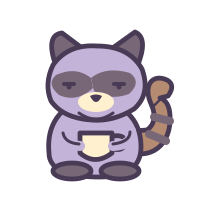
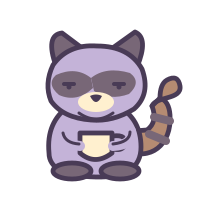
Show the difference
One raccoon has a tail tip curving the other way.
BROWSE BY SITUATION
Find the guide that fits your five minutes
Each page answers one search intent and links to a playable three-round sample. Pick the situation, then try the grid.
TWO MORE WAYS TO PLAY
A quick sprint or today’s shared grid
A SIMPLE ROUTE
Not sure where to start?
- Classroom or morning meetingStart with the brain break guide, then try the morning meeting version for a start-of-day routine.
- Remote team or video callUse the virtual team guide for a five-minute shared-screen warm-up with chat answers.
- Quiet puzzle at homeTry the visual puzzles for adults guide, or open today’s daily grid for one shared challenge.
What visual puzzle guides include
Every guide on this page is built around one situation, not a generic list. The brain break guide is for a classroom that needs a five-minute reset. The morning meeting guide is for a start-of-day routine, and the virtual team guide is for a shared screen with answers in chat. The other pages focus on age, difficulty or a specific question such as pictures with answers.
Inside each guide you get a real PipPeek grid, a visible answer you can reveal, a short explanation of the changed detail and practical tips for running the puzzle with a group. The samples are playable in the page, so you can check the difficulty before opening a full chapter. Nothing is a mock-up, and no guide asks you to sign up.
The guides do not change your chapter progress or collection. They are a way to try the game in the situation you actually have, then continue into the full PipPeek chapter if the format fits.
- A real grid from the same artwork used in the game
- An answer reveal and a plain explanation of the difference
- Tips for a classroom, a meeting or a quiet puzzle at home
- Links to the next puzzle when you want more
How to choose visual puzzle guides
Start with the number of people and the time you have. A single player at home can open the adults guide or today’s daily puzzle. A teacher with a class should start with the brain break guide, which is designed for a shared screen and a short reset. A meeting host can use the morning meeting guide for a start-of-day routine or the virtual team guide for a remote warm-up.
Grid size is the next decision. A 3×3 or 4×4 grid is a gentle first look. 5×5 and 6×6 add more repetition without becoming a dense search. The hard guide uses an 8×8 sample and explains how to scan larger grids up to 20×20. If you are unsure, open the sample in the guide and try one round before choosing a full chapter.
The label on each card tells you the situation, not a difficulty rating. Read the intro and the facts, then pick the page that matches the room you are in. You can always come back to this hub and choose another guide.
Run a five-minute visual puzzle break
- Pick one guide and open it on the screen everyone can see.
- Read the one-sentence rule: find the single picture that is different.
- Give the group 30–60 seconds to look before anyone answers.
- Ask for a row and column, not just “that one”, so the group can follow the reasoning.
- Reveal the answer and read the explanation, then try the next grid if the group is still engaged.
For a remote call, ask people to put their answer in chat at the same time. In a classroom, let one student point to the grid while another explains the difference. At home, take turns choosing the next grid. The point is a short shared look, not a race; the timer is optional and the page works without it.
A five-minute break needs no worksheet, account or download. The guide, the sample and the answer are on one page, and the full game is one link away if the group wants more.
Questions about visual puzzle guides
Are the guides free?
Yes. Every guide, sample and answer is free to open, and the full game is free to play in a browser.
Do I need an account?
No for guides and samples. An account is only for saving chapter progress across devices or joining optional leaderboards.
What is the difference between a guide and the daily puzzle?
Guides are evergreen explanations tied to a situation. The daily puzzle is one shared grid that changes at 00:00 UTC. Use a guide to learn the format, then try the daily for a dated challenge.
Can I use a guide in a classroom or team meeting?
Yes. Open the page on a shared screen, read the rule and let the group look. The samples are practice only and do not affect chapter progress.
How large are the grids?
Guides show real samples from 4×4 to 9×9. The full game starts at 3×3 and goes up to 20×20. The hard guide explains how to approach the largest grids.