 PipPeek
A CLOSER LOOK, NO PRESSURE
Visual puzzles for adults by PipPeek
A visual puzzle should not need a rulebook. This page is for adults who want a short observation break: one grid, one changed detail and no trivia to memorise.
Below is a real 7×7 PipPeek puzzle, followed by a 5×5 sample and a three-round quick play. The same chameleon repeats across the grid, and one spiral opens the other way. Take your time, then reveal the answer when you are ready.
- 7×7 + 5×5 samples
- 3-round quick play
- Free, no download
- Relaxed or timed
Opens the animal chapter directly. Start at 3×3 or continue your saved progress.
QUICK PLAY
Try a 7×7 visual puzzle
Tap the picture that is different. This is practice only; it does not change your chapter progress.
Find the one picture that is different.
What counts as a visual puzzle for adults?
Visual puzzles ask you to notice what is there, not recall a fact. PipPeek repeats one illustrated character across a single grid and changes exactly one detail. There are no word categories, sums or trick questions.
That makes it a different kind of break from a quiz or a brain-training drill. You can finish one grid in a minute, or sit with a larger puzzle for much longer. The optional timer is there when you want it, not because the game needs one.
The pictures are illustrations rather than photographs, so the difference is usually a line, a curve, a patch or a missing part. You do not need to identify the animal, remember its name or know a category. The answer is visible the whole time; it is simply surrounded by matching copies.
Why a one-grid puzzle works for adults
A one-grid puzzle has a clear boundary. There is no second image to compare, no list of changes to mark and no hidden-object scene to scan. You can give the whole screen your attention and stop when you have found the one copy that does not match.
That focus is useful when you want a short break from words. Many adult puzzle pages are quizzes, crosswords or number games; this one is a visual search. You can play it without reading a long instruction or creating an account.
It is also easy to leave. Finish one grid, close the tab and come back later. Your chapter progress stays in the browser, and the daily puzzle is separate if you want a shared challenge.
How to scan a dense grid
Dense grids reward a route. Instead of jumping around the screen, choose a band, a landmark or a feature and compare that same thing across the grid. This is the same habit that helps on an 8×8 or 20×20 puzzle.
Start with the outline, then move inward. Pick a landmark such as an eye, paw, spiral or edge, and compare it everywhere before switching to another feature. If the lines are small, zoom in rather than rushing; a tiny change is easier to see when the drawing is clear.
- Scan one row or band at a time.
- Compare one feature across the whole grid before switching.
- Use the hint after a real search, not as a replacement for looking.
- Try relaxed mode first; the 30-second timer is a separate challenge.
What the answer reveal shows
The sample on this page has a Show the difference reveal. It names the changed detail in words rather than circling the answer before you look. That keeps the picture useful as a puzzle and gives you a way to check your observation after the search.
In the full game, each puzzle has one answer. A hint fades half of the matching pictures without pointing to the answer. The daily result offers a review after you finish, and the chapter game lets you replay an unlocked size without awarding progress twice.
Visual puzzles vs brain games and spot the difference
A brain-training app often asks you to remember a sequence, solve a sum or react quickly. Those are different tasks. PipPeek is a single visual search: compare the repeated drawings and find the one changed copy.
Spot the difference usually shows two pictures side by side. PipPeek uses one grid and one answer. If you like the two-picture format, a dedicated spot-the-difference site may fit better; if you want a single screen and a slower look, the one-grid format is the alternative.
Neither format requires trivia. The challenge is attention, not knowledge. That is why the same rule works for a quick break, a daily puzzle or a larger grid.
A five-minute break you can repeat
The best puzzle break is one you will actually take. Keep the first session short: one 7×7 grid, one hint if you need it, and no timer. If you enjoy the search, try the 8×8 or 9×9 round in the quick play above.
For a faster change of pace, the 60-second Quick find sprint uses smaller grids and a light score. It is practice only and does not change chapter progress. The daily puzzle is another option when you want the same grid as everyone else.
How to choose a size
Visual puzzles for adults do not have to start at the largest grid. A 5×5 or 7×7 is a good first size: there are enough copies to compare, but the screen still feels manageable. The 7×7 sample at the top of this page is a real puzzle, not a mock-up.
If you want visual puzzles for adults with answers, the sample above includes a reveal and the gallery includes a second 5×5 grid. The quick play adds 7×7, 8×8 and 9×9 rounds, so you can move up without opening a full chapter.
A larger grid is not automatically better. The right size is the one that keeps the search interesting without turning it into a chore. Try one round at a comfortable size, then decide whether you want more detail to compare.
A short screen break that fits a real day
Visual puzzles for adults work best when they are easy to start. You do not need a long session, a download or a new account. Open the page, try one grid, and close it when you are done.
If you have five minutes, use the 7×7 quick play and leave the timer off. If you have less time, try the 5×5 sample. If you want a shared routine, the daily puzzle gives everyone the same grid each UTC day.
The point is not to finish a whole chapter in one sitting. One small find can be enough of a break; the next grid will still be there when you want it.
A note on difficulty and answers
A hard grid is not a trick. Every puzzle has exactly one visible difference, and every other copy uses the same base drawing. If a puzzle takes longer, that is the search doing its job, not a missing answer.
You can use the hint, zoom in or switch to a smaller grid. There is no penalty for taking your time in relaxed mode. The goal is a satisfying find, not a race.
More picture puzzles with answers
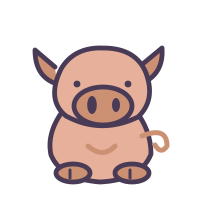
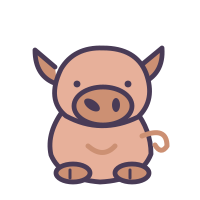
One more real grid at different sizes. Look first, then reveal the changed detail.
Show the difference
One pig has a tilted nostril.
Questions before you play
Are these visual puzzles for adults free?
Yes. The browser game is free to play, including the daily puzzle and all chapter themes. There are no coins, energy or purchases. An account is optional.
Do I need to download an app or sign up?
No. PipPeek runs in a phone, tablet or desktop browser. You can start as a guest; signing in is for saving progress across devices and joining the completed-level leaderboard.
Are answers included?
The samples on this page have Show the difference reveals. In the game, each puzzle has one answer; a hint fades matching pictures without pointing to it. The daily result offers a review after you finish.
Is this the same as spot the difference?
No. Spot the difference compares two pictures. PipPeek searches one repeating grid for the odd copy. Both use observation, but the search rhythm is different.
What is a good visual puzzle for adults?
A good one has a clear rule, one answer and a detail you can actually see. Start with a 5×5 or 7×7 grid, use a hint if you are stuck, and move to a larger size only when you want more to compare.
Can I play on a phone or tablet?
Yes. Tap a picture on a touchscreen, or click with a mouse. Larger grids have a zoom option in the full game, and the hint can reduce the number of pictures to compare.
Is there a timer?
Relaxed mode has no time limit. The optional Timed mode gives 30 seconds per level and does not subtract extra time for a wrong tap. The quick play on this page is untimed.
Are visual puzzles for adults with answers available?
Yes. The samples on this page include Show the difference reveals, and the full game gives feedback after each tap. A hint fades matching pictures without pointing to the answer, so you can keep searching.
Are these brain games?
They are visual observation puzzles, not a clinical brain-training program. You can use them as a short break or a daily habit, but they are not a medical treatment or a promise of cognitive improvement.
Keep looking
Try another puzzle, or read the guide that fits your next visit.